Car Key Replacement by Vehicle Make — What the Process Actually Involves
Not all replacement keys are created equal, and the complexity of the job depends heavily on your vehicle's make, model, and year. For domestic vehicles like Ford, Chevrolet, and Dodge trucks and SUVs, our technicians cut a new blade to the original key code and then use OBD-II-compatible programming software to sync a new transponder chip or proximity fob to the vehicle's ECU. For Japanese makes — Honda, Toyota, Nissan, and Subaru — the programming protocol differs by generation; a 2015 Honda CR-V, for example, requires a specific pairing sequence that differs from a 2022 model. European vehicles such as BMW and Mercedes-Benz use encrypted key data that demands specialized equipment, and our technicians are experienced working through those requirements without voiding factory settings. In every case, we bring the right tools to you — whether you're parked at the Twelve Corners shopping area, along East Henrietta Road, or in a residential driveway off Elmwood Avenue.
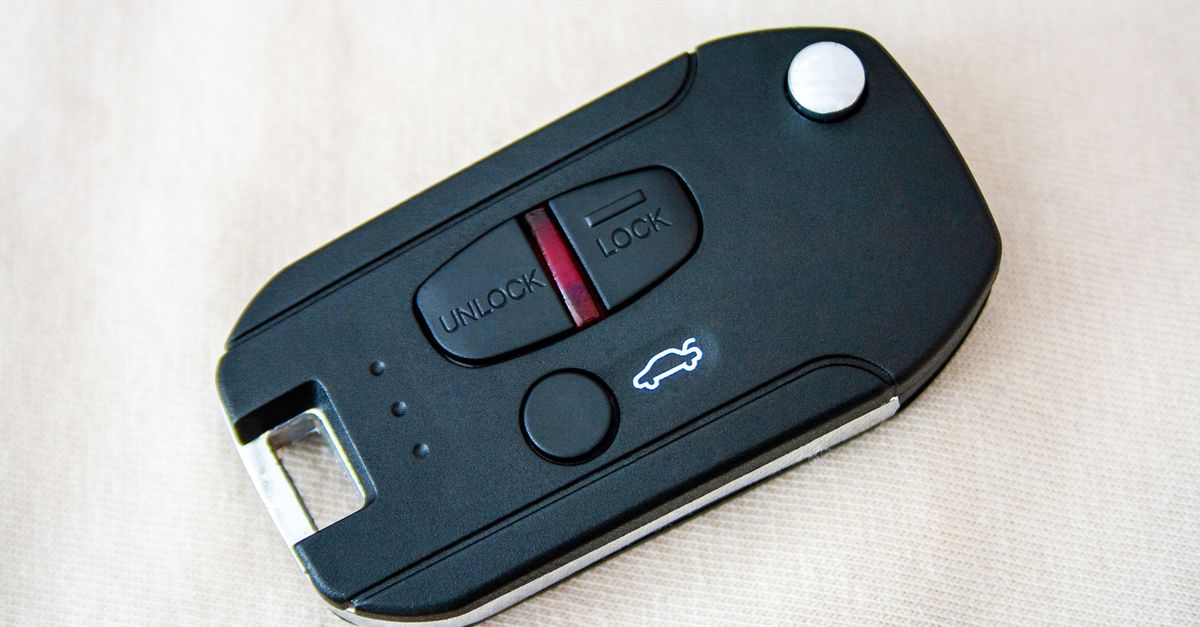
For older vehicles with non-chipped keys, the process is straightforward mechanical cutting matched to your door or ignition cylinder. For push-to-start systems, we program a new proximity key fob to the vehicle's comfort-access module and test all functions — lock, unlock, trunk release, and remote start if equipped — before we close out the job. Factors that shape the final quote include the vehicle make and model, the type of key or fob required, any parts that need to be ordered, the time of day you call, and the distance our technician travels to reach you. We walk you through that breakdown clearly so you know exactly what you're agreeing to.