Signs It Is Time for Door Knob Lock Replacement
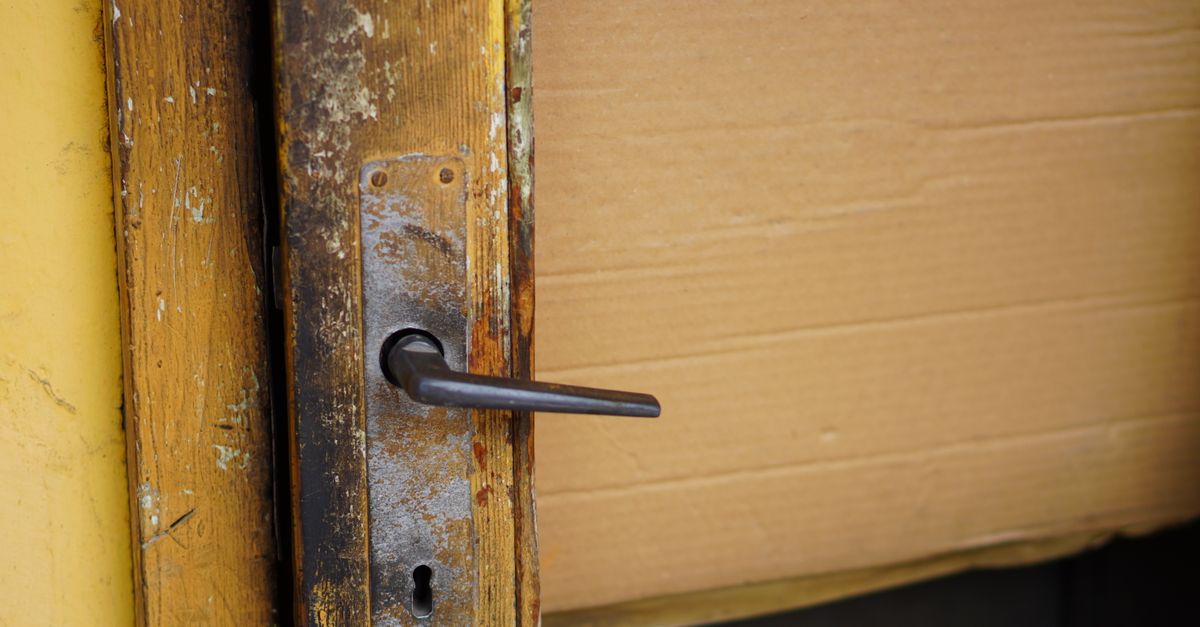
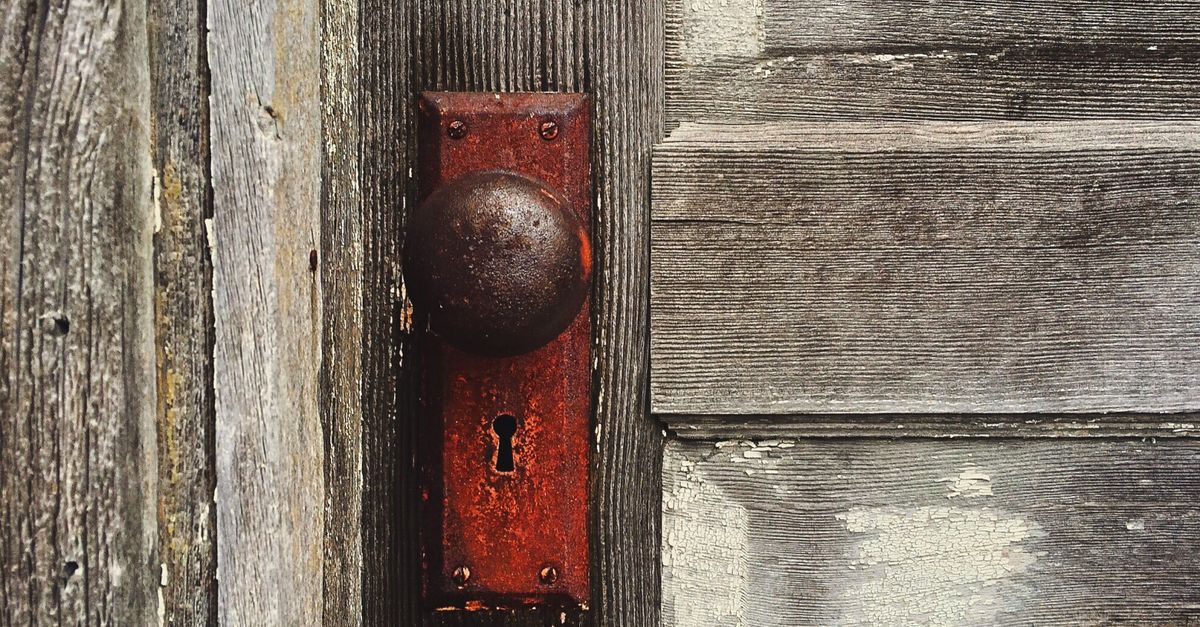
Not every stiff knob needs a full replacement, but several clear warning signs mean it is time to stop tinkering and call a professional. A knob lock that spins freely without retracting the latch, a keyway that accepts the key but no longer turns it, visible corrosion on the cylinder face, or a loose trim ring that wobbles with every use all indicate internal wear that a simple lubrication cannot fix. In Brighton's climate — where freezing rain and repeated freeze-thaw cycles stress exterior hardware more than in milder regions — metal fatigue on the cam, springs, and plug is common in locks that are more than seven to ten years old.
Interior knobs present their own failure modes. A door knob with lock for bedroom or bathroom use often relies on a push-button or twist-button privacy mechanism, and those small internal components can shear or bind without warning. When a privacy lock fails in the locked position, occupants can be trapped. Our technicians are trained to identify exactly which component has failed before recommending replacement, ensuring you are not paying to swap hardware that only needed adjustment.