A1 Rochester Locksmiths Service Team
Local locksmith team
Aug 8, 2026 10 min read
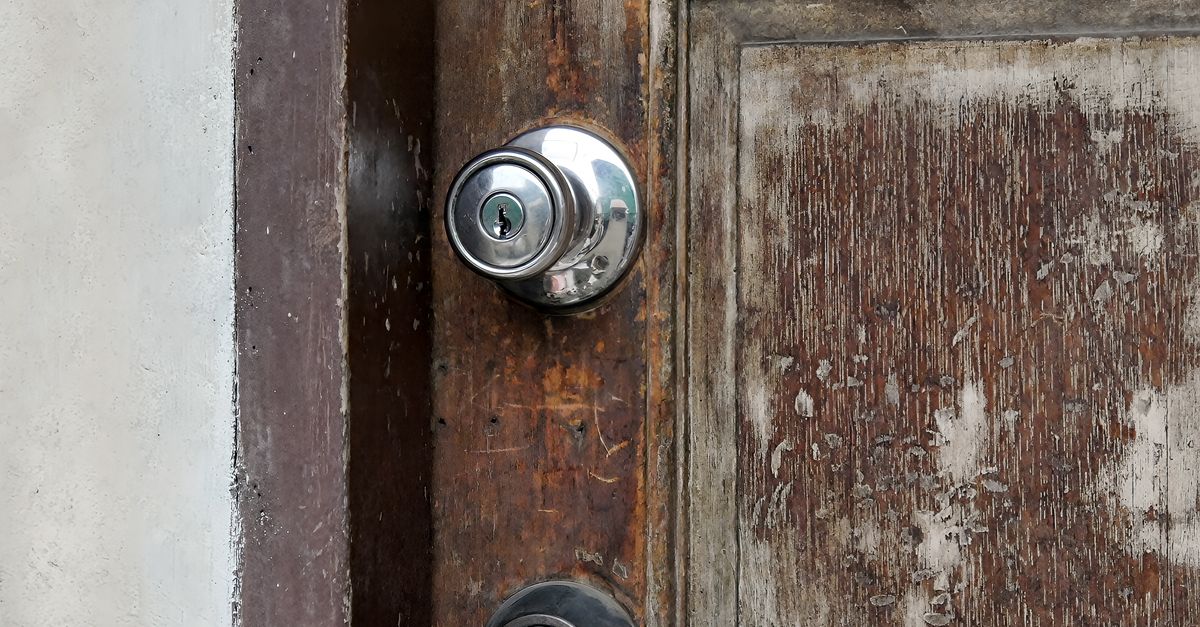
If you live along East Henrietta Road, near Twelve Corners, or anywhere else in the Brighton area, chances are your home or business has at least one door with a mortise lock set — that beefy, rectangular mechanism built directly into the edge of the door. They're popular for a reason: a well-functioning mortise lock is stronger and more pick-resistant than a standard cylindrical lock. But 'well-functioning' is the key phrase. These locks are precision-engineered, and when internal components wear down, they don't always fail all at once — they give you warnings first. The problem is that most homeowners don't recognize those warnings until they're locked out on a January night.
This article walks you through five clear signs that your mortise lock needs professional attention — along with practical advice on what to do before a slow-developing problem turns into a full lockout. Whether you have a classic Baldwin mortise lock on a craftsman front door or a newer smart mortise lock on a commercial entry, the warning signs are largely the same, and catching them early can save you a serious headache.
## Sign 1: The Key Turns Hard, Sticks Halfway, or Requires Extra Force
This is the most common early warning sign, and it's easy to dismiss. You chalk it up to a 'stiff lock' and muscle through it every day. But inside a mortise lock, that resistance usually means one of three things: the mortise lock cylinder is worn and its pins are dragging, the internal cam or tailpiece that connects the cylinder to the bolt mechanism is bent or corroded, or the door itself has shifted on its hinges so the bolt is binding against the strike plate. None of these fix themselves — they only get worse.
The practical test: try lubricating the keyway with a graphite-based lubricant (not WD-40, which attracts grime over time). If the key still sticks after two or three uses, the problem is mechanical, not just dry. At that point, a trained locksmith can disassemble the lock body, inspect the cylinder, and determine whether a cylinder replacement or a full mortise lock set swap makes more sense for your door and security needs.
## Sign 2: The Latch or Deadbolt Doesn't Retract Fully — or Spring Back
A mortise lock integrates both a spring latch and a deadbolt into one housing. When the latch stops retracting fully when you turn the handle, or when the deadbolt feels sluggish and doesn't snap back into the door cleanly, the internal spring mechanism is likely fatigued or broken. In some cases, the tailpiece — the small metal bar connecting your handle to the lock body — has worn down and is no longer engaging the internal cam properly. This is especially common in high-traffic doors that get turned hundreds of times a day, like the front door of a Brighton rental property or a small business entry near Monroe Avenue.
Left unaddressed, a partially retracting latch can cause the door to not close properly, leaving a gap even when it appears shut. On exterior doors, that's both a security and a weathering issue. If the deadbolt is the piece misbehaving, you may find yourself in a situation where the bolt extends but won't retract without serious jiggling — which is exactly when lockouts happen at the worst times. A locksmith can assess whether the issue is the internal mechanism, the spindle, or a misaligned strike plate, all of which have different fixes.
## Sign 3: The Lock Body Feels Loose or Wiggles Inside the Door
Mortise locks are set into a pocket (the mortise) cut into the door edge and held in place by screws on the face plate and internal fasteners. Over years of use — especially on solid wood doors that expand and contract with Rochester-area humidity swings — those fasteners can back out, and the entire lock body begins to shift inside its pocket. You'll feel it as a subtle wobble when you grab the handle, or notice the face plate pulling slightly away from the door edge.
A loose lock body is not a cosmetic issue. When the housing shifts, the internal components fall out of alignment: the cam no longer lines up with the bolt, the cylinder sits at a slight angle, and the whole system becomes unpredictable. On an older Corbin Russwin mortise lock, for example, the tolerances are tight — even a few millimeters of movement can make the difference between a lock that works and one that traps the bolt mid-throw. Tightening the screws yourself is a good first step, but if the wood around the mortise pocket is stripped or compressed, the door edge itself may need reinforcement before the lock is re-seated.
## Sign 4: You See Visible Rust, Corrosion, or Hear Grinding When Locking
Exterior mortise lock sets take a beating from the elements — rain, road salt blown in from area streets in winter, and the freeze-thaw cycles that are a fact of life in Western New York. If you notice rust streaking down the face plate, discoloration around the keyway, or hear a gritty grinding sound when turning the key or handle, corrosion has gotten into the internal mechanism. The levers, cams, and springs inside a mortise lock are precision metal parts, and once corrosion pits or seizes them, lubrication alone won't restore smooth operation.
Grinding, in particular, is a sound you should never ignore. It typically means metal is contacting metal in a way the lock wasn't designed for — either a corroded component is catching on its neighbor, or a broken piece of internal hardware is tumbling around inside the housing. At this stage, continuing to force the lock risks snapping the key off in the cylinder or fully seizing the bolt, which upgrades your repair bill significantly and turns a planned service call into an emergency locksmith visit. If you hear grinding on your exterior door lock, call a locksmith for a diagnostic before the lock decides to quit on its own schedule.
## Sign 5: Your Key Works But Someone Else's Copy Doesn't — or Vice Versa
This one surprises homeowners, but it's a reliable indicator that the mortise lock cylinder is nearing the end of its life. When internal pin springs weaken unevenly, the cylinder starts to become selective — your original key, worn to match the degraded pins, still works, but a newer copy cut to spec won't engage properly. Or the opposite happens: a fresh copy works while your worn original barely turns. Either way, the lock is operating on borrowed time.
This is also the scenario that catches people off guard during emergencies — a tenant loses a key, you hand them a copy that was cut months ago, and suddenly no one can get in because the cylinder is too far gone to read either key reliably. If you notice inconsistency between keys on the same lock, schedule a cylinder inspection. Depending on the lock model and door configuration, a locksmith may be able to re-pin the existing cylinder or swap in a new one without replacing the full mortise lock set — a more cost-effective outcome when the rest of the hardware is still solid. A1 Rochester Locksmiths serves the Brighton area around the clock, so whether this is a planned service or you're stuck outside right now, call (704) 850-6756 and we'll get someone out to you.
## When to Repair vs. Replace: A Practical Guide for Brighton Homeowners
Not every ailing mortise lock needs to be torn out and replaced. In many cases — a fatigued spring, a worn cylinder, a loose face plate — a skilled locksmith can restore full function for a fraction of the cost of a new lock set. Repair makes the most sense when the main lock housing is structurally sound, the door edge is undamaged, and the problem is confined to one or two components. Locks from quality manufacturers like Baldwin or Corbin Russwin are often worth repairing because the underlying hardware is robust and replacement parts are available.
Replacement becomes the better call when the internal mechanism is corroded throughout, the door has been forced or damaged around the mortise pocket, or the existing lock set no longer meets your security needs — for instance, if you're upgrading an older exterior door lock and want to add a smart mortise lock with keypad or app access. The factors that shape your final service quote include the lock brand and model, the condition of the door edge, whether new hardware needs to be sourced, and the time of day for the call. What doesn't change: we confirm a clear, up-front price before any work begins, so there are no surprises on the invoice. To schedule an inspection or get a same-day diagnostic, call A1 Rochester Locksmiths at (704) 850-6756 — we're available 24 hours a day, seven days a week across the Brighton ZIP codes 14618 and 14620.
Frequently asked questions
How much does it cost to repair or replace a mortise lock?+
There's no single figure because the final quote depends on several factors: the brand and model of your lock (a standard residential mortise lock set is a different job than a commercial-grade Corbin Russwin unit), whether only the cylinder needs attention or the entire housing, the condition of your door edge, whether parts need to be sourced, and the time of day you call. Emergency locksmith calls outside of normal business hours are typically priced differently than scheduled daytime appointments. At A1 Rochester Locksmiths, we confirm an exact price upfront before any work begins — no surprise charges after the job is done.
How long does it usually take for a locksmith to come to my location in Brighton?+
Response time depends on your exact location in the Brighton area, current traffic on routes like East Henrietta Road or Monroe Avenue, and how many calls we're handling at that moment. For most residential and commercial calls in the Brighton 14618 and 14620 ZIP codes, our mobile team aims to arrive well within the hour. When you call (704) 850-6756, our dispatcher can give you a realistic estimated arrival time based on where the nearest available technician is at that moment.
Should I tip my locksmith?+
Tipping a locksmith is entirely optional and never expected, but it's always appreciated — especially on late-night or emergency calls where the technician has gone out of their way to help quickly. If your locksmith does an efficient, professional job and makes a stressful situation easier, a tip is a genuine way to say thank you. That said, the best thing you can do for any service professional is leave an honest review that helps other Brighton-area homeowners know who to call when they need help.
Can a locksmith upgrade my old mortise lock to a smart mortise lock?+
Yes, in many cases. A qualified locksmith can assess whether your current door edge and mortise pocket are compatible with a smart mortise lock, handle the physical installation, and make sure the new unit is properly aligned with your strike plate. Smart mortise locks vary widely in how they connect — some use Bluetooth or Z-Wave, others have built-in keypads — so the installation complexity and any parts needed will factor into your quoted price. Call us at (704) 850-6756 to discuss your door setup and what upgrade options are realistic for your home or business.